Applications due: September 15, 2026
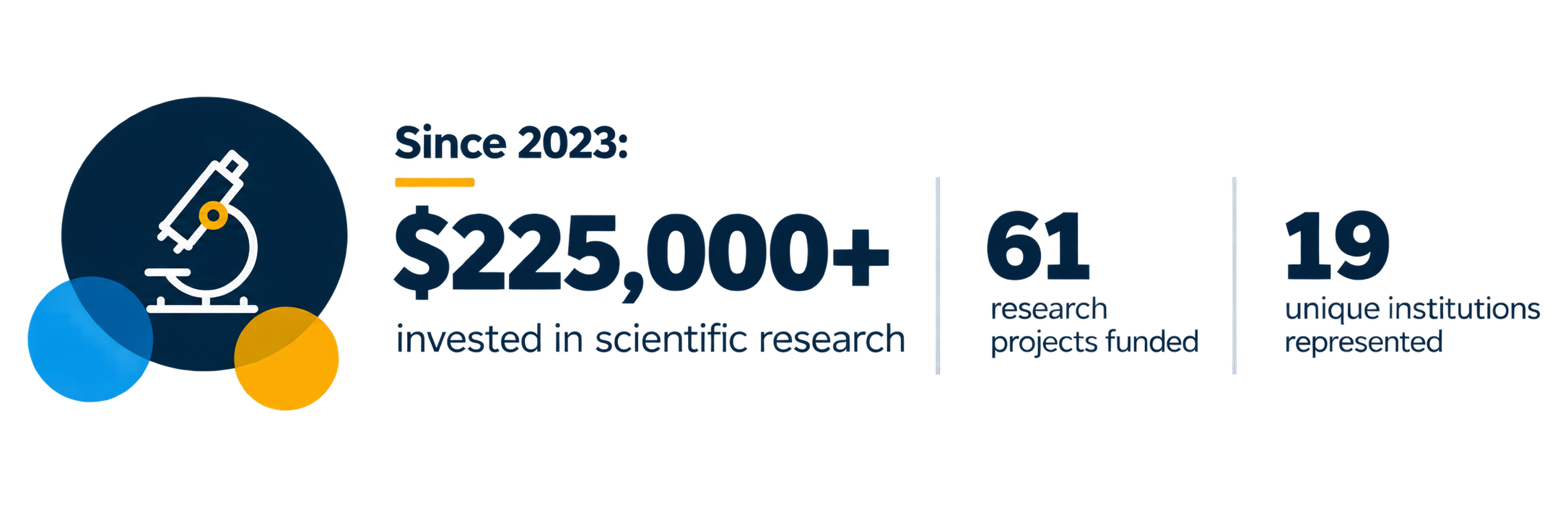
The Indiana Academy of Science supports innovative scientific research that advances knowledge and strengthens science throughout Indiana.
Since 1964, the Senior Research Grants Program, supported by the John S. Wright Fund, has funded scientifically meritorious research conducted by IAS members and the students and researchers they sponsor. Projects may include self-contained investigations, pilot studies, or research that supports future scientific discovery.
The Senior Research Grant supports innovative, evidence-informed research projects that advance this purpose. Because funds are limited, IAS encourages novel projects with broad or transferable scientific impact. Applicants must be IAS members in good standing for at least one year prior to applying, although eligible students and other sponsored researchers may apply under the sponsorship of an eligible IAS member. Awards may not exceed $5,000 and normally support a one-year period of performance.
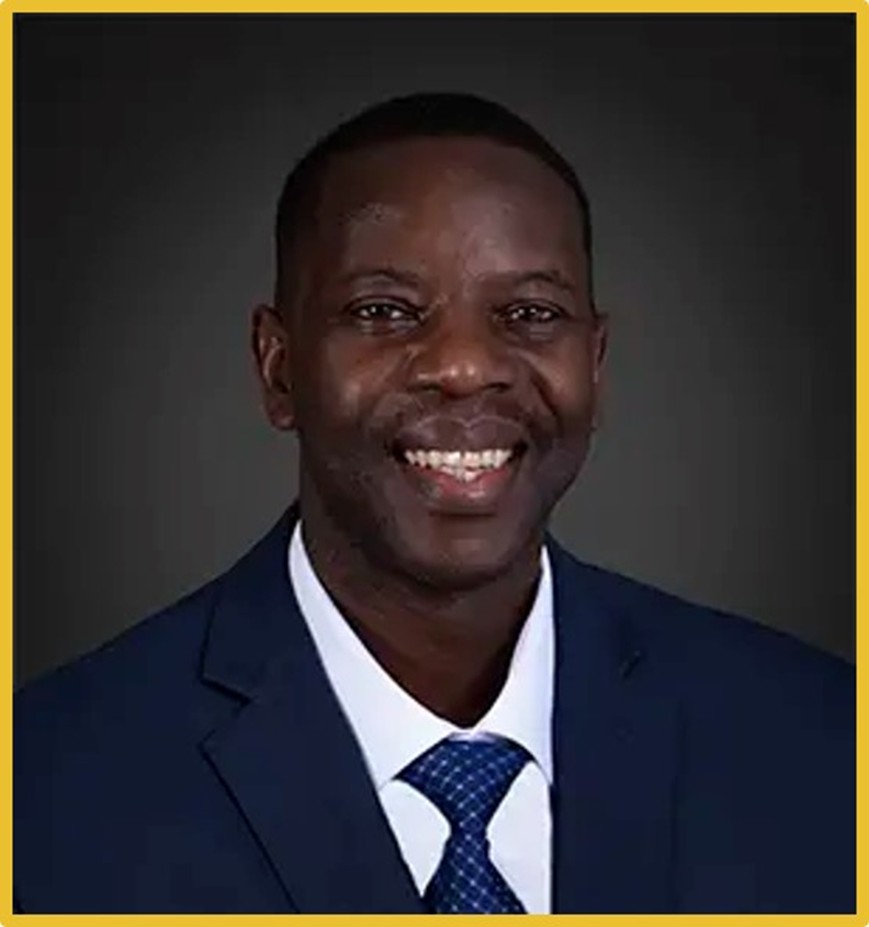
Dr. David Bwambok, from Ball State University was funded for his project titled: Encapsulation and Enzymatic Release of Tunable Ionic Liquid-Based Fluorescent Biomaterials from Human Serum Albumin Nanoparticles. He is investigating the use of human serum albumin nanoparticles to contain and enzymatically release adjustable fluorescent biomaterials. Dr. Bwambok has been a member of the Indiana Academy of Science since spring 2022. He regularly presents research with his students at the Academy’s annual meeting and has served as Vice Chair and Chair of the Chemistry Section. He also serves as a poster judge and looks forward to continuing his service to the Academy and contributing to its proceedings.
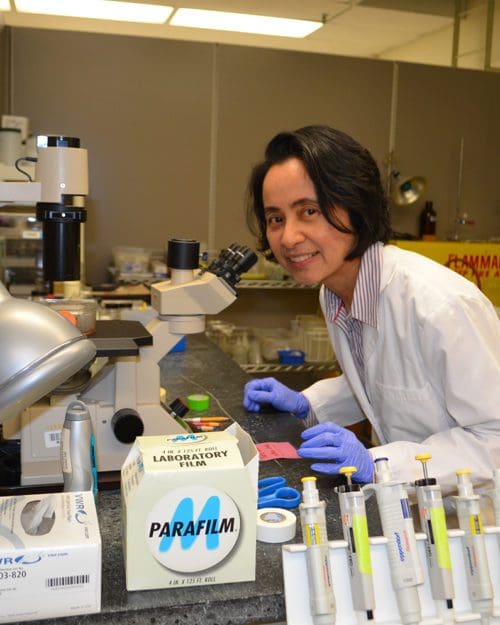
Dr. Meden F. Isaac-Lam, from Purdue University was funded for her project title: In Vitro Photodynamic Evaluation of Chlorin-Antibiotic Conjugates. She is investigating the effectiveness of chlorin-antibiotic compounds in photodynamic applications under laboratory conditions. Dr. Isaac-Lam values the Indiana Academy of Science’s commitment to advancing science and education throughout the state. Her dedication to strengthening chemical research, chemistry education, and scientific outreach closely aligns with the Academy’s mission. She also values the interdisciplinary collaboration and professional networking provided by the Academy, which support her goal of mentoring students to become the next generation of scientists.

Dr. Zhihai Li, from Ball State University was funded for his project title: Development of Functional Nanomaterials toward Environmental Remediation. He is developing nickel tungstate-based semiconductor nanomaterials that act as catalysts to remove environmental pollutants through photodegradation. His research aims to create new methods for preparing these materials and expand their use in environmental remediation, helping support the sustainability of resources for future generations.
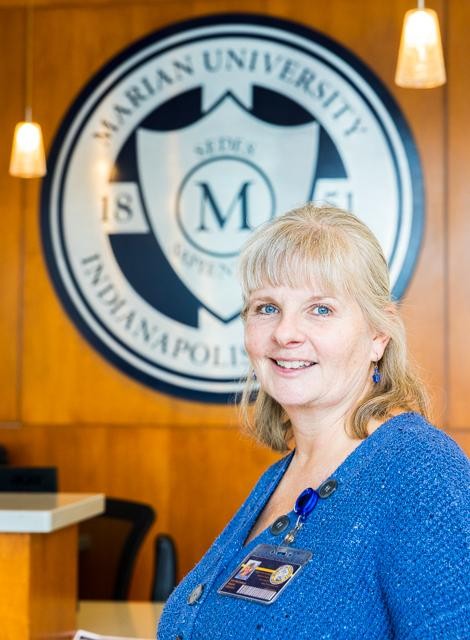
Dr. Erin E. McClellandn, from Marian University was funded for her project title: Delineating the Microbial Genetic Pathways Responsible for Increased Male Susceptibility to Cryptococcus neoformans Infections. She is investigating the microbial genetic mechanisms that may explain why males are more susceptible to infections caused by Cryptococcus neoformans. Dr. McClelland has been a member of the Indiana Academy of Science since January 2022. She has served as Section Chair and Chair of the Microbiology and Molecular Biology Section and currently chairs the Science and Society Committee, which identifies speakers for the quarterly Science with a Twist events. She was also named an Academy Fellow in March.

Dr. Eric (VJ) Rubenstein, from Ball State University was funded for his project title: Motor Protein Regulation of Endoplasmic Reticulum Protein Quality Control. He is investigating how motor proteins help regulate the processes cells use to identify and manage improperly formed proteins. Dr. Rubenstein has been an active member of the Indiana Academy of Science since 2014. He has served as Chair of the Cell Biology Section, President of the Academy, and a member of the Diversity, Equity, and Inclusion Committee. He and his students have contributed 53 talks and poster presentations at the Academy’s annual meetings. He values the Academy as a supportive environment in which students can present their research, build confidence, and develop professional networks.
Bluesky: @vjrubenstein.bsky.social
Instagram/Facebook: @vjrubenstein
LinkedIn: @eric-vj-rubenstein
Dr. Bikram Sharma, from Ball State University was funded for his project title: Determine Whether APJ Signaling in Coronary Endothelial Cells Modulates Extracellular Matrix (ECM) to Regulate Coronary Angiogenesis in the Developing Mouse Heart. He is investigating how APJ signaling and the extracellular matrix regulate coronary blood vessel development, with potential implications for treating ischemic heart disease. Dr. Sharma has been involved with the Indiana Academy of Science since his graduate training and credits the Academy with supporting his research, professional development, and student mentorship. He has served as Chair and Co-Chair of the Cell Biology Section and as a member of the Senior Research Grant and Emerging Scientist Competition committees. He has also mentored students, regularly presented research at annual meetings, and been named an Academy Fellow.
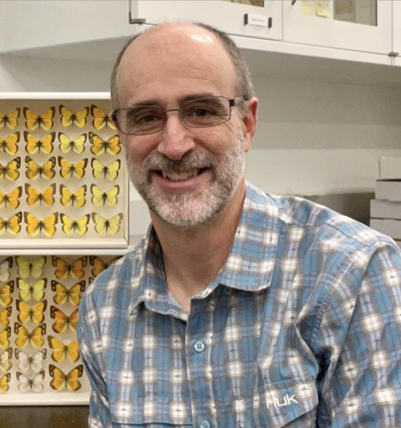
Dr. Andrew Stoehr, from Butler University was funded for his project title: Plant-Insect-Fungus Interactions in Indiana Tallgrass Prairie. He is investigating how plants, insects, and fungi interact within Indiana’s tallgrass prairie ecosystems. Dr. Stoehr has been a member of the Indiana Academy of Science since joining Butler University in 2012. He regularly attends the Academy’s meetings and currently serves on the BNAC Committee.
Lab Webpage
Bluesky: @andrewstoehr.bsky.social


Dr. Radmila S. Stanic and Dr. Michael I. Zimmer, from Purdue University Northwest were funded for their project title: Analysis of Phytocannabinoid Effects on Macrophages. They are investigating how phytocannabinoids, including cannabidiol (CBD) and cannabigerol (CBG), affect macrophages—immune cells that play an important role in inflammatory responses. Their research aims to clarify how these compounds may lessen inflammation and regulate immune-cell function.
Dr. Stanic’s faculty and research webpage
Dr. Zimmer’s faculty and research webpage
Copyright © 2026 Indiana Academy of Science. All rights reserved.